
Cast
Browse cast members and explore their filmographies.
109597 cast members

Claudette Colbert
Claudette Colbert (September 13, 1903 — July 30, 1996) was an American actress. Born Emilie Claudette Chauchoin in Saint-Mandé, Val-de-Marne, France, she was brought to the United States as a child three years later and went to high school in New York. While studying at the Art Students League when, in 1923, she took the name Claudette Colbert for her first Broadway role in "The Wild Westcotts". Her most noteworthy stage vehicle was the "The Barker" in 1927. Her first film was a silent For the Love of Mike (1927), directed by Frank Capra. Made on a shoestring, the movie was a flop, and she vowed that it would be her last film role: "I only left Broadway when the crash came. The Depression killed the theater, and the pictures were manna from heaven". She had her first film success the next year, however, in The Lady Lies (1929). Her early notable films were all box-office hits and included Cleopatra (1934), in which she played the title role enticingly. She had her greatest triumph playing a runaway heiress, with enormous charm, opposite Clark Gable in Capra's comedy It Happened One Night (1934), for which she won the Academy Award as Best Actress. By 1938 her keen ability in business made her the highest paid star in Hollywood. By 1950, though, her star had begun to wane. She returned to the stage in 1956 when she replaced Margaret Sullavan during the spring and summer in the comedy "Janus". Appearances in other Broadway productions followed, including "The Marriage-Go-Round". Besides the stage, she did TV specials and had a supporting role in a notable TV movie, The Two Mrs. Grenvilles (1987), for which she received a Golden Globe award. In 1989 she was presented with a Life Achievement award from the Kennedy Center for the Performing Arts. She married actor Norman Foster in 1928, although they never lived together and were divorced after seven years. She married surgeon Dr. Joel Pressman soon after and remained married until his death in 1968. In latter years she divided her time between an apartment in New York and a 200-year-old plantation house in Speightstown, Barbados, where she entertained such guests as Frank Sinatra and Ronald Reagan. She remained on Barbados Island after her stroke. On July 30, 1996, Claudette died in Speightstown, Barbados. She was 92.
Updated 8 months ago

Claudette Colbert
Claudette Colbert (September 13, 1903 — July 30, 1996) was an American actress. Born Emilie Claudette Chauchoin in Saint-Mandé, Val-de-Marne, France, she was brought to the United States as a child three years later and went to high school in New York. While studying at the Art Students League when, in 1923, she took the name Claudette Colbert for her first Broadway role in "The Wild Westcotts". Her most noteworthy stage vehicle was the "The Barker" in 1927. Her first film was a silent For the Love of Mike (1927), directed by Frank Capra. Made on a shoestring, the movie was a flop, and she vowed that it would be her last film role: "I only left Broadway when the crash came. The Depression killed the theater, and the pictures were manna from heaven". She had her first film success the next year, however, in The Lady Lies (1929). Her early notable films were all box-office hits and included Cleopatra (1934), in which she played the title role enticingly. She had her greatest triumph playing a runaway heiress, with enormous charm, opposite Clark Gable in Capra's comedy It Happened One Night (1934), for which she won the Academy Award as Best Actress. By 1938 her keen ability in business made her the highest paid star in Hollywood. By 1950, though, her star had begun to wane. She returned to the stage in 1956 when she replaced Margaret Sullavan during the spring and summer in the comedy "Janus". Appearances in other Broadway productions followed, including "The Marriage-Go-Round". Besides the stage, she did TV specials and had a supporting role in a notable TV movie, The Two Mrs. Grenvilles (1987), for which she received a Golden Globe award. In 1989 she was presented with a Life Achievement award from the Kennedy Center for the Performing Arts. She married actor Norman Foster in 1928, although they never lived together and were divorced after seven years. She married surgeon Dr. Joel Pressman soon after and remained married until his death in 1968. In latter years she divided her time between an apartment in New York and a 200-year-old plantation house in Speightstown, Barbados, where she entertained such guests as Frank Sinatra and Ronald Reagan. She remained on Barbados Island after her stroke. On July 30, 1996, Claudette died in Speightstown, Barbados. She was 92.
Updated 8 months ago

Clara Bow
From Wikipedia, the free encyclopedia Clara Gordon Bow (July 29, 1905 – September 27, 1965) was an American actress who rose to stardom in silent films during the 1920s and successfully made the transition to "talkies" after 1927. Her appearance as a plucky shopgirl in the film It brought her global fame and the nickname "The It Girl". Bow came to personify the Roaring Twenties and is described as its leading sex symbol. Bow appeared in 46 silent films and 11 talkies, including hits such as Mantrap (1926), It (1927), and Wings (1927). She was named first box-office draw in 1928 and 1929 and second box-office draw in 1927 and 1930. Her presence in a motion picture was said to have ensured investors, by odds of almost two-to-one, a "safe return". At the apex of her stardom, she received more than 45,000 fan letters in a single month (January 1929). Two years after marrying actor Rex Bell in 1931, Bow retired from acting and became a rancher in Nevada. Her final film, Hoop-La, was released in 1933. In September 1965, Bow died of a heart attack at the age of 60.
Updated 3 months ago

Clara Bow
From Wikipedia, the free encyclopedia Clara Gordon Bow (July 29, 1905 – September 27, 1965) was an American actress who rose to stardom in silent films during the 1920s and successfully made the transition to "talkies" after 1927. Her appearance as a plucky shopgirl in the film It brought her global fame and the nickname "The It Girl". Bow came to personify the Roaring Twenties and is described as its leading sex symbol. Bow appeared in 46 silent films and 11 talkies, including hits such as Mantrap (1926), It (1927), and Wings (1927). She was named first box-office draw in 1928 and 1929 and second box-office draw in 1927 and 1930. Her presence in a motion picture was said to have ensured investors, by odds of almost two-to-one, a "safe return". At the apex of her stardom, she received more than 45,000 fan letters in a single month (January 1929). Two years after marrying actor Rex Bell in 1931, Bow retired from acting and became a rancher in Nevada. Her final film, Hoop-La, was released in 1933. In September 1965, Bow died of a heart attack at the age of 60.
Updated 3 months ago

Marilyn Monroe
Marilyn Monroe (born Norma Jeane Mortenson; 1 June 1926 – 4 August 1962) was a European-American actress. Famous for playing comedic "blonde bombshell" characters, she became one of the most popular sex symbols of the 1950s and early 1960s, as well as an emblem of the era's sexual revolution. She was a top-billed actress for a decade, and her films grossed $200 million (equivalent to $2 billion in 2021) by the time of her death in 1962. Long after her death, Monroe remains a major icon of pop culture. In 1999, the American Film Institute ranked her sixth on their list of the greatest female screen legends from the Golden Age of Hollywood. Multiple film critics and media outlets have cited Monroe as one of the best actors never to have received an Academy Award nomination. Born and raised in Los Angeles, Monroe spent most of her childhood in a total of 12 foster homes and an orphanage; she married at age sixteen. She was working in a factory during World War II when she met a photographer from the First Motion Picture Unit and began a successful pin-up modeling career, which led to short-lived film contracts with 20th Century Fox and Columbia Pictures. After a series of minor film roles, she signed a new contract with Fox in late 1950. Over the next two years, she became a popular actress with roles in several comedies, including As Young as You Feel and Monkey Business, and in the dramas Clash by Night and Don't Bother to Knock. She faced a scandal when it was revealed that she had posed for nude photographs prior to becoming a star, but the story did not damage her career and instead resulted in increased interest in her films. By 1953, Monroe was one of the most marketable Hollywood stars; she had leading roles in the film noir Niagara, which overtly relied on her sex appeal, and the comedies Gentlemen Prefer Blondes and How to Marry a Millionaire, which established her star image as a "dumb blonde". The same year, her nude images were used as the centerfold and on the cover of the first issue of Playboy. She played a significant role in the creation and management of her public image throughout her career, but she was disappointed when she was typecast and underpaid by the studio. She was briefly suspended in early 1954 for refusing a film project but returned to star in The Seven Year Itch (1955), one of the biggest box office successes of her career. When the studio was still reluctant to change Monroe's contract, she founded her own film production company in 1954. She dedicated 1955 to building the company and began studying method acting under Lee Strasberg at the Actors Studio. Later that year, Fox awarded her a new contract, which gave her more control and a larger salary. Her subsequent roles included a critically acclaimed performance in Bus Stop (1956) and her first independent production in The Prince and the Showgirl (1957). She won a Golden Globe for Best Actress for her role in Some Like It Hot (1959), a critical and commercial success. Her last completed film was the drama The Misfits (1961).
Updated 8 months ago

Marilyn Monroe
Marilyn Monroe (born Norma Jeane Mortenson; 1 June 1926 – 4 August 1962) was a European-American actress. Famous for playing comedic "blonde bombshell" characters, she became one of the most popular sex symbols of the 1950s and early 1960s, as well as an emblem of the era's sexual revolution. She was a top-billed actress for a decade, and her films grossed $200 million (equivalent to $2 billion in 2021) by the time of her death in 1962. Long after her death, Monroe remains a major icon of pop culture. In 1999, the American Film Institute ranked her sixth on their list of the greatest female screen legends from the Golden Age of Hollywood. Multiple film critics and media outlets have cited Monroe as one of the best actors never to have received an Academy Award nomination. Born and raised in Los Angeles, Monroe spent most of her childhood in a total of 12 foster homes and an orphanage; she married at age sixteen. She was working in a factory during World War II when she met a photographer from the First Motion Picture Unit and began a successful pin-up modeling career, which led to short-lived film contracts with 20th Century Fox and Columbia Pictures. After a series of minor film roles, she signed a new contract with Fox in late 1950. Over the next two years, she became a popular actress with roles in several comedies, including As Young as You Feel and Monkey Business, and in the dramas Clash by Night and Don't Bother to Knock. She faced a scandal when it was revealed that she had posed for nude photographs prior to becoming a star, but the story did not damage her career and instead resulted in increased interest in her films. By 1953, Monroe was one of the most marketable Hollywood stars; she had leading roles in the film noir Niagara, which overtly relied on her sex appeal, and the comedies Gentlemen Prefer Blondes and How to Marry a Millionaire, which established her star image as a "dumb blonde". The same year, her nude images were used as the centerfold and on the cover of the first issue of Playboy. She played a significant role in the creation and management of her public image throughout her career, but she was disappointed when she was typecast and underpaid by the studio. She was briefly suspended in early 1954 for refusing a film project but returned to star in The Seven Year Itch (1955), one of the biggest box office successes of her career. When the studio was still reluctant to change Monroe's contract, she founded her own film production company in 1954. She dedicated 1955 to building the company and began studying method acting under Lee Strasberg at the Actors Studio. Later that year, Fox awarded her a new contract, which gave her more control and a larger salary. Her subsequent roles included a critically acclaimed performance in Bus Stop (1956) and her first independent production in The Prince and the Showgirl (1957). She won a Golden Globe for Best Actress for her role in Some Like It Hot (1959), a critical and commercial success. Her last completed film was the drama The Misfits (1961).
Updated 8 months ago

Bess Flowers
From Wikipedia, the free encyclopedia Bess Flowers (November 23, 1898 – July 28, 1984) was an American actress. By some counts considered the most prolific actress in the history of Hollywood, she was known as "The Queen of the Hollywood Extras," appearing in over 700 movies in her 41 year career. Born in Sherman, Texas, Flowers's film debut came in 1923, when she appeared in Hollywood. She made three films that year, and then began working extensively. Many of her appearances are uncredited, as she generally played non-speaking roles. By the 1930s, Flowers was in constant demand. Her appearances ranged from Alfred Hitchcock and John Ford thrillers to comedic roles alongside of Charley Chase, the Three Stooges, Leon Errol, Edgar Kennedy, and Laurel and Hardy. She appeared in the following five films which won the Academy Award for Best Picture: It Happened One Night, You Can't Take it with You, All About Eve, The Greatest Show on Earth, and Around the World in Eighty Days. In each of these movies, Flowers was uncredited. Including these five movies, she had appeared in twenty-three Best Picture nominees in total, making her the record holder for most appearances in films nominated for the award. Her last movie was Good Neighbor Sam in 1964. Flowers's acting career was not confined to feature films. She was also seen in many episodic American TV series, such as I Love Lucy, notably in episodes, "Lucy Is Enceinte" (1952), "Ethel's Birthday" (1955), and "Lucy's Night in Town" (1957), where she is usually seen as a theatre patron. Outside her acting career, in 1945, Bess Flowers helped to found the Screen Extras Guild (active: 1946-1992, then merged with SAG), where she served as one of its first vice-presidents and recording secretaries.

Bess Flowers
From Wikipedia, the free encyclopedia Bess Flowers (November 23, 1898 – July 28, 1984) was an American actress. By some counts considered the most prolific actress in the history of Hollywood, she was known as "The Queen of the Hollywood Extras," appearing in over 700 movies in her 41 year career. Born in Sherman, Texas, Flowers's film debut came in 1923, when she appeared in Hollywood. She made three films that year, and then began working extensively. Many of her appearances are uncredited, as she generally played non-speaking roles. By the 1930s, Flowers was in constant demand. Her appearances ranged from Alfred Hitchcock and John Ford thrillers to comedic roles alongside of Charley Chase, the Three Stooges, Leon Errol, Edgar Kennedy, and Laurel and Hardy. She appeared in the following five films which won the Academy Award for Best Picture: It Happened One Night, You Can't Take it with You, All About Eve, The Greatest Show on Earth, and Around the World in Eighty Days. In each of these movies, Flowers was uncredited. Including these five movies, she had appeared in twenty-three Best Picture nominees in total, making her the record holder for most appearances in films nominated for the award. Her last movie was Good Neighbor Sam in 1964. Flowers's acting career was not confined to feature films. She was also seen in many episodic American TV series, such as I Love Lucy, notably in episodes, "Lucy Is Enceinte" (1952), "Ethel's Birthday" (1955), and "Lucy's Night in Town" (1957), where she is usually seen as a theatre patron. Outside her acting career, in 1945, Bess Flowers helped to found the Screen Extras Guild (active: 1946-1992, then merged with SAG), where she served as one of its first vice-presidents and recording secretaries.

Sam Harris
Sam Harris was born on January 11, 1877 in Sydney, Australia. He was an actor, known for The Charge of the Light Brigade (1936), Safari (1940) and I Cover the War! (1937). He was married to Constance M.K. Harris . He died on October 22, 1969 in Los Angeles, California, USA.

Sam Harris
Sam Harris was born on January 11, 1877 in Sydney, Australia. He was an actor, known for The Charge of the Light Brigade (1936), Safari (1940) and I Cover the War! (1937). He was married to Constance M.K. Harris . He died on October 22, 1969 in Los Angeles, California, USA.
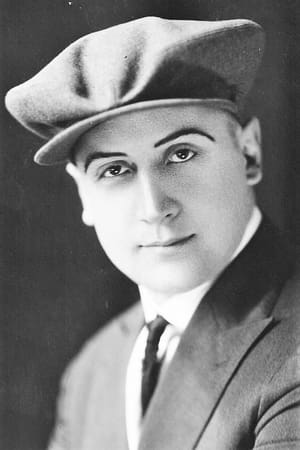
Harold Miller
Harold Miller (born Harold Edwin Kammermeyer) was an American actor, his screen, then eventually also television, career spanning the years 1919-1964. After the 1920s, Miller appeared only in uncredited bit and background parts.

Harold Miller
Harold Miller (born Harold Edwin Kammermeyer) was an American actor, his screen, then eventually also television, career spanning the years 1919-1964. After the 1920s, Miller appeared only in uncredited bit and background parts.
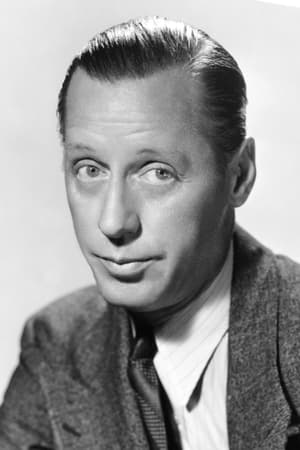
Irving Bacon
From Wikipedia, the free encyclopedia Irving Bacon (September 6, 1893 – February 5, 1965) was an American character actor who appeared in almost 500 films. Bacon played on the stage for a number of years before getting into films in 1920. He was sometimes cast in films directed by Lloyd Bacon (incorrectly named as his brother in some sources) such as The Amazing Dr. Clitterhouse (1938). He often played comical "average guys". In the late 1930s and early 1940s, he played the weary postman Mr. Crumb in Columbia Pictures' Blondie film series. One of his bigger roles was as a similarly flustered postman in the thriller Cause for Alarm! in 1952. During the 1950s, Bacon worked steadily in a number of television sitcoms, most notably I Love Lucy, where he appeared in two episodes, one which cast him as Ethel Mertz's father.

Irving Bacon
From Wikipedia, the free encyclopedia Irving Bacon (September 6, 1893 – February 5, 1965) was an American character actor who appeared in almost 500 films. Bacon played on the stage for a number of years before getting into films in 1920. He was sometimes cast in films directed by Lloyd Bacon (incorrectly named as his brother in some sources) such as The Amazing Dr. Clitterhouse (1938). He often played comical "average guys". In the late 1930s and early 1940s, he played the weary postman Mr. Crumb in Columbia Pictures' Blondie film series. One of his bigger roles was as a similarly flustered postman in the thriller Cause for Alarm! in 1952. During the 1950s, Bacon worked steadily in a number of television sitcoms, most notably I Love Lucy, where he appeared in two episodes, one which cast him as Ethel Mertz's father.

Lee Phelps
From Wikipedia, the free encyclopedia Lee Phelps (May 15, 1893 – March 19, 1953) was an American film actor. He appeared in over 600 films between 1917 and 1953, mainly in uncredited roles. He also appeared in three films - Grand Hotel, You Can't Take It with You, and Gone with the Wind - that won the Academy Award for Best Picture. Phelps appeared in the 1952 episode "Outlaw's Paradise" as a judge in the syndicated western television series The Adventures of Kit Carson, starring Bill Williams in the title role. He also appeared in a 1952 TV episode (#90) of The Lone Ranger.

Lee Phelps
From Wikipedia, the free encyclopedia Lee Phelps (May 15, 1893 – March 19, 1953) was an American film actor. He appeared in over 600 films between 1917 and 1953, mainly in uncredited roles. He also appeared in three films - Grand Hotel, You Can't Take It with You, and Gone with the Wind - that won the Academy Award for Best Picture. Phelps appeared in the 1952 episode "Outlaw's Paradise" as a judge in the syndicated western television series The Adventures of Kit Carson, starring Bill Williams in the title role. He also appeared in a 1952 TV episode (#90) of The Lone Ranger.

William H. O'Brien
Australian born William H. O'Brien began his screen acting career in Australia in 1918, then resumed in Hollywood in 1921. He continued acting in films and television series to 1971.

William H. O'Brien
Australian born William H. O'Brien began his screen acting career in Australia in 1918, then resumed in Hollywood in 1921. He continued acting in films and television series to 1971.
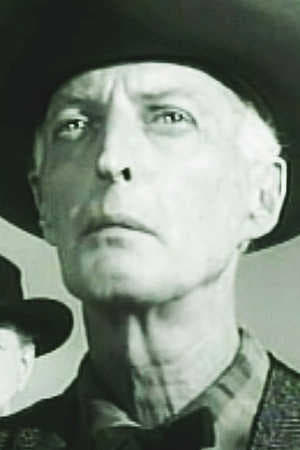
Bert Stevens
Bert Stevens (born Malcolm Byron Stevens) was an American screen and television actor. He was the older brother of star actress Barbara Stanwyck whose birth name was Ruby Catherine Stevens.

Bert Stevens
Bert Stevens (born Malcolm Byron Stevens) was an American screen and television actor. He was the older brother of star actress Barbara Stanwyck whose birth name was Ruby Catherine Stevens.
Bert Moorhouse
Bert Moorhouse was born on November 20, 1894 in Chicago, Illinois, USA as Herbert Green Moorhouse. He was an actor, known for Rough Ridin' Red (1928), Hey Rube! (1928) and The Woman I Love (1929). He was married to Mary. He died on January 26, 1954 in Hollywood, California, USA.
Bert Moorhouse
Bert Moorhouse was born on November 20, 1894 in Chicago, Illinois, USA as Herbert Green Moorhouse. He was an actor, known for Rough Ridin' Red (1928), Hey Rube! (1928) and The Woman I Love (1929). He was married to Mary. He died on January 26, 1954 in Hollywood, California, USA.
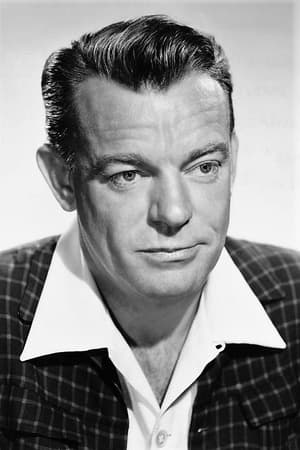
Dennis O'Keefe
Dennis O'Keefe (March 29, 1908 – August 31, 1968) was an American actor. He was the son of Irish vaudevillians working in the United States. As a small child he joined his parents' act and later wrote skits for the stage. O'Keefe started in films as an extra in the early 1930s. After a small but impressive role in Saratoga, Clark Gable recommended O'Keefe to Metro-Goldwyn-Mayer, which signed him to a contract in 1937. His film roles were bigger after that, starting with The Bad Man of Brimstone and Burn 'Em Up O'Connor. O'Keefe left MGM around 1940 but continued to work in mostly lower budget productions. In the 1950s he did some directing, wrote mystery stories and by the mid-1950s found work on television shows such as Justice, The Martha Raye Show, The Ford Show as well as his own series The Dennis O'Keefe Show.

Dennis O'Keefe
Dennis O'Keefe (March 29, 1908 – August 31, 1968) was an American actor. He was the son of Irish vaudevillians working in the United States. As a small child he joined his parents' act and later wrote skits for the stage. O'Keefe started in films as an extra in the early 1930s. After a small but impressive role in Saratoga, Clark Gable recommended O'Keefe to Metro-Goldwyn-Mayer, which signed him to a contract in 1937. His film roles were bigger after that, starting with The Bad Man of Brimstone and Burn 'Em Up O'Connor. O'Keefe left MGM around 1940 but continued to work in mostly lower budget productions. In the 1950s he did some directing, wrote mystery stories and by the mid-1950s found work on television shows such as Justice, The Martha Raye Show, The Ford Show as well as his own series The Dennis O'Keefe Show.
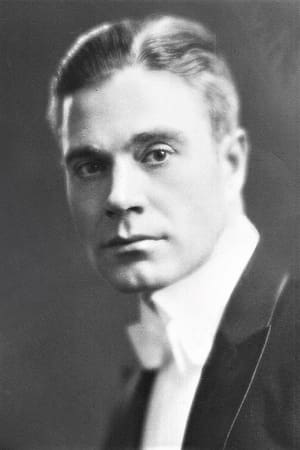
Larry Steers
Lawrence Wells Steers (February 14, 1888 – February 15, 1951) was an American film actor. He appeared in more than 550 films between 1917 and 1951. He was born in Indiana, and died in Woodland Hills, Los Angeles. Description above from the Wikipedia article Larry Steers, licensed under CC-BY-SA, full list of contributors on Wikipedia.

Larry Steers
Lawrence Wells Steers (February 14, 1888 – February 15, 1951) was an American film actor. He appeared in more than 550 films between 1917 and 1951. He was born in Indiana, and died in Woodland Hills, Los Angeles. Description above from the Wikipedia article Larry Steers, licensed under CC-BY-SA, full list of contributors on Wikipedia.
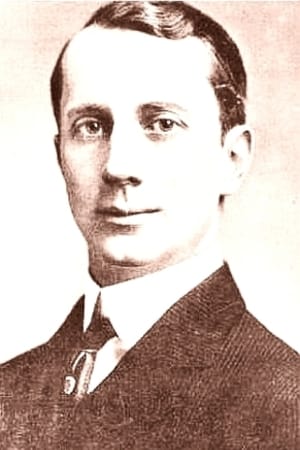
Carl M. Leviness

Carl M. Leviness
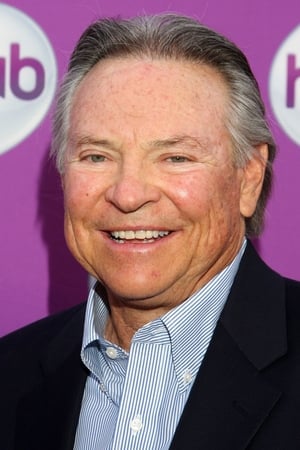
Frank Welker
Franklin Wendell Welker (born March 12, 1946) is an American voice actor with an extensive career spanning nearly six decades. As of 2021, Welker holds over 860 film, television, and video game credits, making him one of the most prolific voice actors of all time. With a total worldwide box-office gross of $17.4 billion, he is also the third highest-grossing film voice actor of all time. Welker is best known for voicing Fred Jones in the Scooby-Doo franchise since its inception in 1969, and Scooby-Doo himself since 2002. In 2020, Welker reprised the latter role in the CGI-animated film Scoob!, the only original voice actor from the series in the movie's cast. He has also voiced Oswald the Lucky Rabbit in Epic Mickey and its sequel, Megatron, Galvatron and Soundwave in the Transformers franchise, Shao Kahn and Reptile in the 1995 Mortal Kombat film, Curious George in the Curious George franchise, Garfield on The Garfield Show, Nibbler on Futurama, the titular character in Jabberjaw, Speed Buggy in the Scooby-Doo franchise, Astro and Orbitty on The Jetsons, Mushmouse on Punkin' Puss & Mushmouse, and various characters in The Smurfs as well as numerous animal vocal effects in many works. In 2016, he was honored with an Emmy Award for his lifetime achievement. Description above from the Wikipedia article Frank Welker, licensed under CC-BY-SA, full list of contributors on Wikipedia.

Frank Welker
Franklin Wendell Welker (born March 12, 1946) is an American voice actor with an extensive career spanning nearly six decades. As of 2021, Welker holds over 860 film, television, and video game credits, making him one of the most prolific voice actors of all time. With a total worldwide box-office gross of $17.4 billion, he is also the third highest-grossing film voice actor of all time. Welker is best known for voicing Fred Jones in the Scooby-Doo franchise since its inception in 1969, and Scooby-Doo himself since 2002. In 2020, Welker reprised the latter role in the CGI-animated film Scoob!, the only original voice actor from the series in the movie's cast. He has also voiced Oswald the Lucky Rabbit in Epic Mickey and its sequel, Megatron, Galvatron and Soundwave in the Transformers franchise, Shao Kahn and Reptile in the 1995 Mortal Kombat film, Curious George in the Curious George franchise, Garfield on The Garfield Show, Nibbler on Futurama, the titular character in Jabberjaw, Speed Buggy in the Scooby-Doo franchise, Astro and Orbitty on The Jetsons, Mushmouse on Punkin' Puss & Mushmouse, and various characters in The Smurfs as well as numerous animal vocal effects in many works. In 2016, he was honored with an Emmy Award for his lifetime achievement. Description above from the Wikipedia article Frank Welker, licensed under CC-BY-SA, full list of contributors on Wikipedia.
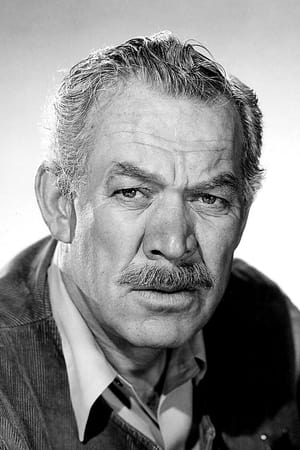
Ward Bond
Wardell Edwin Bond (April 9, 1903 – November 5, 1960) was an American film character actor whose rugged appearance and easygoing charm were featured in more than 200 films, as well as in the NBC television series Wagon Train from 1957 to 1961. Among his best-remembered roles are Bert the cop in Frank Capra's It's a Wonderful Life (1946) and Captain Clayton in John Ford's The Searchers (1956).

Ward Bond
Wardell Edwin Bond (April 9, 1903 – November 5, 1960) was an American film character actor whose rugged appearance and easygoing charm were featured in more than 200 films, as well as in the NBC television series Wagon Train from 1957 to 1961. Among his best-remembered roles are Bert the cop in Frank Capra's It's a Wonderful Life (1946) and Captain Clayton in John Ford's The Searchers (1956).
Edmund Mortimer
From Wikipedia, the free encyclopedia Edmund Mortimer (21 August 1874 – 21 May 1944) was an American actor and film director. He appeared in 251 films between 1913 and 1945. He also directed 23 films between 1918 and 1928. He was born in New York, New York and died in Los Angeles, California.
Edmund Mortimer
From Wikipedia, the free encyclopedia Edmund Mortimer (21 August 1874 – 21 May 1944) was an American actor and film director. He appeared in 251 films between 1913 and 1945. He also directed 23 films between 1918 and 1928. He was born in New York, New York and died in Los Angeles, California.
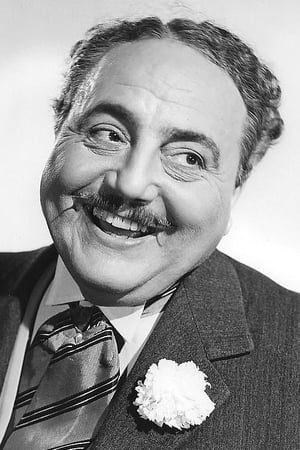
Gino Corrado
Gino Corrado (born Gino Corrado Liserani; 9 February 1893 - 23 December 1982) was an Italian-born American screen actor, his career spanning the years 1916 to 1954. During the early years of his career he was extensively credited as Eugene Corey.

Gino Corrado
Gino Corrado (born Gino Corrado Liserani; 9 February 1893 - 23 December 1982) was an Italian-born American screen actor, his career spanning the years 1916 to 1954. During the early years of his career he was extensively credited as Eugene Corey.

Mike Lally

Mike Lally
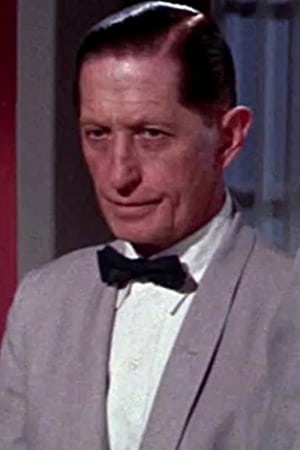
Jeffrey Sayre

Jeffrey Sayre
Made with ❤️ 📀 by vanshady